

Botulinum Toxin: Myth vs. Fact
Navigate common misconceptions about neuromodulators with peer-reviewed data and clinical consensus. Our platform provides objective, unbiased information for patients and professionals.




Debunking Misconceptions
Botox causes a frozen face
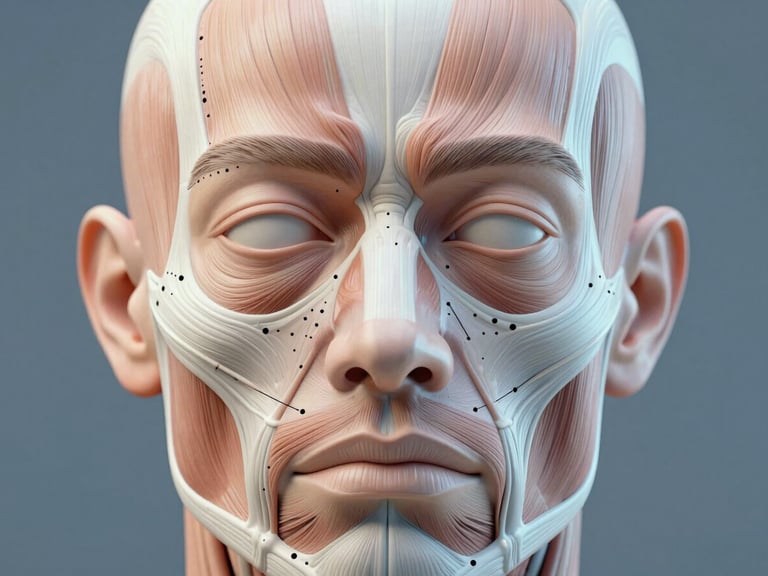
Precision dosing and advanced injection techniques allow for natural facial expressions, targeting only specific muscles responsible for dynamic wrinkles.
Effects are permanent
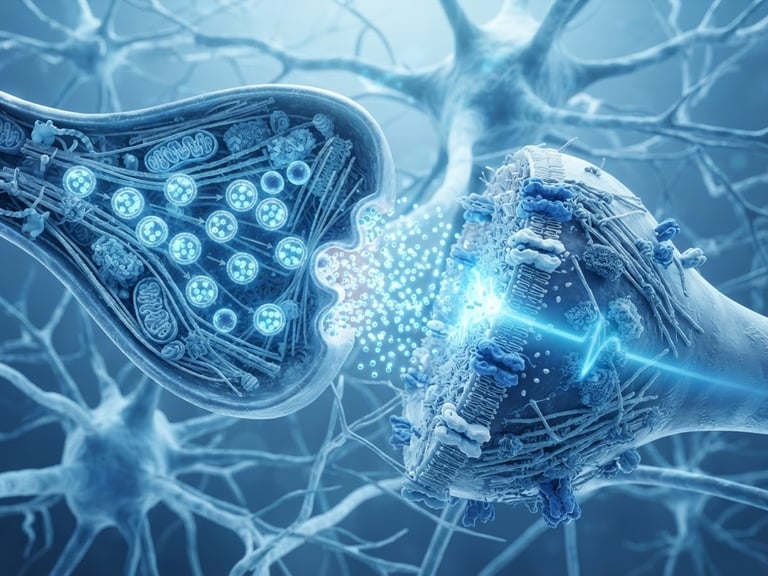
Botulinum Toxin temporarily blocks nerve signals to muscles. Its effects gradually wear off as new nerve endings form, typically lasting 3-6 months.
It always leads to resistance
While neutralizing antibodies can develop, immunogenicity is rare with modern, high-purity botulinum toxin formulations, especially with appropriate dosing intervals.
Secondary non-response to botulinum toxin is a complex phenomenon, often linked to neutralizing antibodies, but its incidence remains low with contemporary, high-purity products.
International Consensus Panel, 2022
Have a Question? Submit Your Claim.
Our editorial board rigorously reviews new research and clinical claims. Help us expand the ToxinAtlas knowledge base by submitting your query for evidence-based analysis.
• COMPLETE SITE INDEX
BotoxWiki Reference Sitemap
Access all clinical evidence methodologies, facial anatomy maps, brand comparison data, and editorial standards currently published across the BotoxWiki platform.
Clinical & Anatomy
Evidence & Review
Editorial & Trust
Reference Standard
BotoxWiki provides evidence-based content, medical review, and a neutral editorial approach to botulinum toxin formulations and anatomical guidance.
© BotoxWiki Clinical Reference Directory.
All anatomical models, literature reviews, and evidence summaries are strictly peer-reviewed and non-commercial.